

The Evolving Landscape of Beauty: AI’s Role in Personalized Aesthetics
The aesthetics industry is undergoing a profound transformation, driven by advancements in artificial intelligence (AI) and the rising demand for personalized treatments. No longer a one-size-fits-all approach, the future of aesthetics hinges on leveraging data, algorithms, and predictive modeling to deliver bespoke solutions that cater to individual needs and aspirations.
AI-Powered Skin Analysis: The Foundation of Personalization
At the heart of this revolution lies AI-powered skin analysis. Sophisticated imaging technologies, coupled with machine learning algorithms, can analyze skin at a microscopic level, identifying subtle nuances invisible to the naked eye. These analyses go beyond superficial observations, delving into factors such as:
- Age Spots & Pigmentation: AI can accurately quantify the size, density, and distribution of melanin, identifying potential precursors to age spots and melasma even before they become fully visible. This allows for preventative strategies and early intervention.
- Wrinkle Depth & Fine Lines: Algorithms can map the contours of wrinkles and fine lines, measuring their depth, length, and orientation. This information is crucial for selecting the appropriate treatment modality, whether it’s micro-needling, laser resurfacing, or dermal fillers.
- Pore Size & Texture: AI can quantify pore size and identify areas of textural irregularities, providing insights into skin oil production and potential acne breakouts. This data informs targeted skincare regimens and treatments to improve skin smoothness and clarity.
- Redness & Inflammation: Analyzing skin tone variations can reveal areas of redness and inflammation, indicative of conditions like rosacea or dermatitis. AI can even differentiate between various types of redness, helping dermatologists make accurate diagnoses.
- Hydration Levels: AI-driven sensors can measure skin hydration levels, identifying areas prone to dryness and dehydration. This allows for the development of personalized moisturizing strategies and treatments to improve skin barrier function.
- Subcutaneous Structure: Advanced imaging techniques, like optical coherence tomography (OCT), allow AI to visualize the underlying skin structure, including collagen density and elastin fiber integrity. This provides a deeper understanding of skin aging and informs treatments aimed at stimulating collagen production.
Predictive Modeling: Anticipating Future Skin Changes
Beyond analyzing the current state of the skin, AI can also predict future skin changes. By feeding historical data, genetic information, and lifestyle factors into machine learning models, AI can forecast the likelihood of developing wrinkles, age spots, or other skin concerns. This predictive capability allows for proactive interventions and personalized skincare regimens designed to delay or prevent the onset of age-related changes.
- Genetic Predisposition: Integrating genetic testing with AI allows for a more comprehensive understanding of individual skin characteristics. AI can analyze genetic markers associated with collagen production, pigmentation, and skin sensitivity, providing insights into inherent vulnerabilities and potential future skin issues.
- Lifestyle Factors: AI algorithms can incorporate data on lifestyle factors such as sun exposure, smoking habits, diet, and stress levels to refine predictive models. This allows for personalized recommendations on lifestyle modifications and preventative skincare measures.
- Environmental Influences: AI can analyze environmental data, such as pollution levels and UV radiation, to assess the impact of external factors on skin health. This information can be used to develop personalized protection strategies and mitigate the effects of environmental damage.
Personalized Treatment Planning: Tailoring Solutions to Individual Needs
The data gathered through AI-powered skin analysis and predictive modeling forms the foundation for personalized treatment planning. AI algorithms can analyze this data and generate customized treatment recommendations that are tailored to the individual’s specific needs and goals.
- Treatment Selection: AI can analyze the patient’s skin profile, genetic information, and lifestyle factors to determine the most appropriate treatment modality. This may involve recommending specific laser treatments, chemical peels, micro-needling techniques, or dermal filler formulations.
- Dosage Optimization: AI can optimize the dosage and parameters of treatments based on the patient’s skin characteristics and treatment goals. For example, AI can determine the optimal energy level and pulse duration for laser treatments to maximize efficacy while minimizing the risk of side effects.
- Product Recommendations: AI can analyze the patient’s skin type, concerns, and lifestyle to recommend skincare products that are specifically formulated to address their individual needs. This ensures that patients are using products that are most likely to deliver optimal results.
- Combination Therapies: AI can identify synergistic combinations of treatments that can deliver enhanced results. For example, AI might recommend combining micro-needling with topical growth factors to stimulate collagen production and improve skin texture.
AI-Guided Procedures: Enhancing Precision and Safety
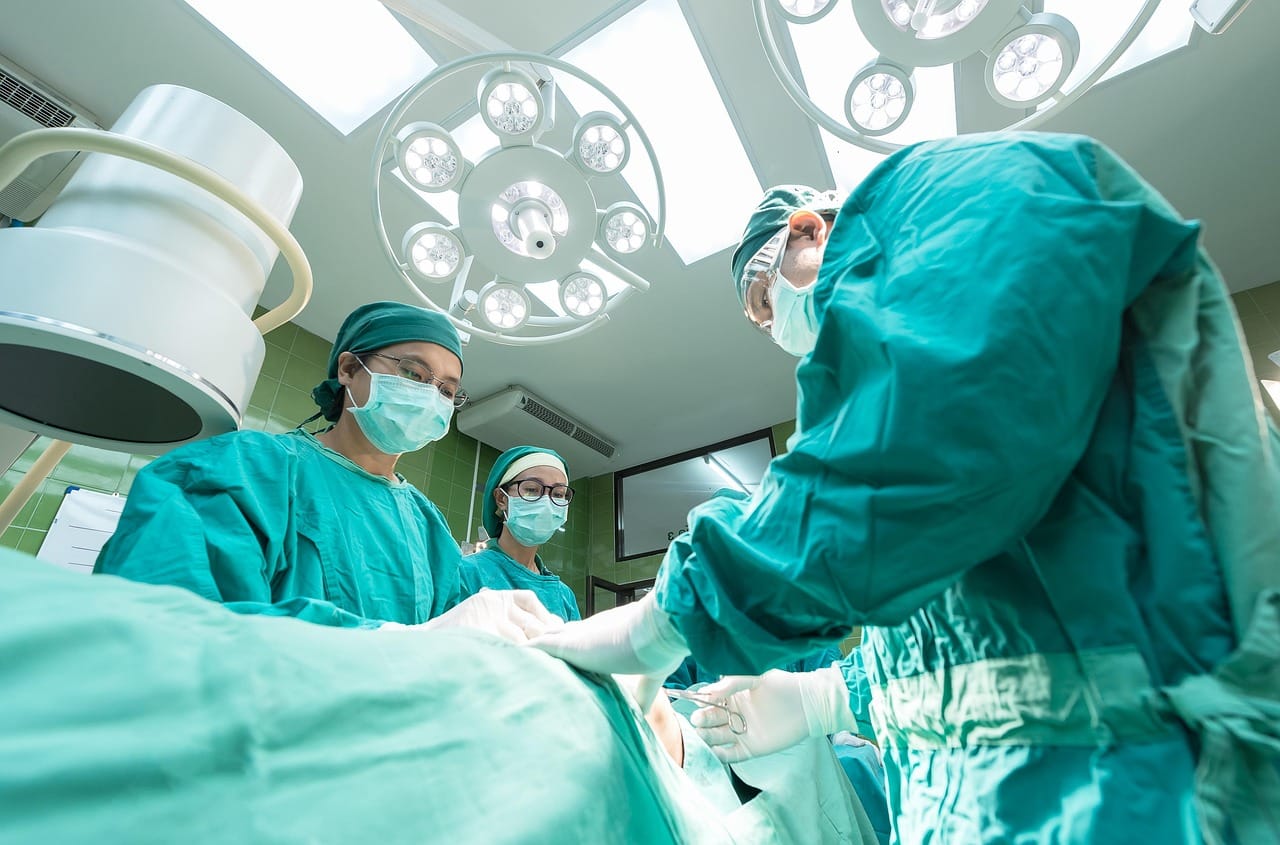
AI is also playing an increasingly important role in guiding aesthetic procedures, enhancing precision, and improving patient safety.
- Robotic Surgery: AI-powered robotic surgery systems are being developed to perform aesthetic procedures with greater precision and accuracy than traditional manual techniques. These systems can assist surgeons in performing delicate procedures, such as facelifts and blepharoplasty, with minimal invasiveness and reduced risk of complications.
- Image-Guided Injections: AI can be used to analyze facial anatomy and guide injections of dermal fillers and neurotoxins with greater precision. This helps to avoid injecting into blood vessels or nerves, minimizing the risk of bruising and other complications.
- Laser Parameter Optimization: AI can optimize the parameters of laser treatments in real-time, based on feedback from sensors that monitor the skin’s response. This helps to ensure that the treatment is delivered safely and effectively, minimizing the risk of burns or other adverse effects.
The Virtual Aesthetics Consultant: Democratizing Access to Expertise
AI is also democratizing access to aesthetic expertise through the development of virtual consultants. These AI-powered platforms can provide personalized skincare advice and treatment recommendations to individuals remotely, regardless of their location or socioeconomic status.
- Online Skin Analysis: Virtual consultants can use AI to analyze photos or videos of the skin and provide personalized recommendations for skincare products and treatments.
- Virtual Consultations: AI-powered chatbots can provide virtual consultations with patients, answering their questions about aesthetic procedures and addressing their concerns.
- Remote Monitoring: AI can be used to remotely monitor patients after aesthetic procedures, tracking their progress and identifying potential complications early on.
Ethical Considerations: Navigating the Future Responsibly
As AI becomes increasingly integrated into the aesthetics industry, it is crucial to address the ethical considerations that arise.
- Data Privacy: Ensuring the privacy and security of patient data is paramount. Robust data protection measures must be implemented to prevent unauthorized access or misuse of personal information.
- Algorithmic Bias: AI algorithms can be biased if they are trained on data that does not accurately reflect the diversity of the population. Steps must be taken to mitigate algorithmic bias and ensure that AI-powered solutions are fair and equitable.
- Transparency & Explainability: It is important that AI-powered recommendations are transparent and explainable. Patients should understand how the AI algorithm arrived at its recommendations and be able to question or challenge those recommendations.
- Human Oversight: AI should be used as a tool to augment, not replace, human expertise. Aesthetic professionals should retain ultimate responsibility for patient care and ensure that AI-powered solutions are used ethically and responsibly.
The future of aesthetics is undeniably intertwined with AI and personalized treatments. This convergence promises to revolutionize the way we approach beauty, enabling more precise, effective, and individualized solutions. As technology continues to evolve, embracing responsible innovation and ethical considerations will be crucial to unlocking the full potential of AI in the pursuit of aesthetic excellence.