

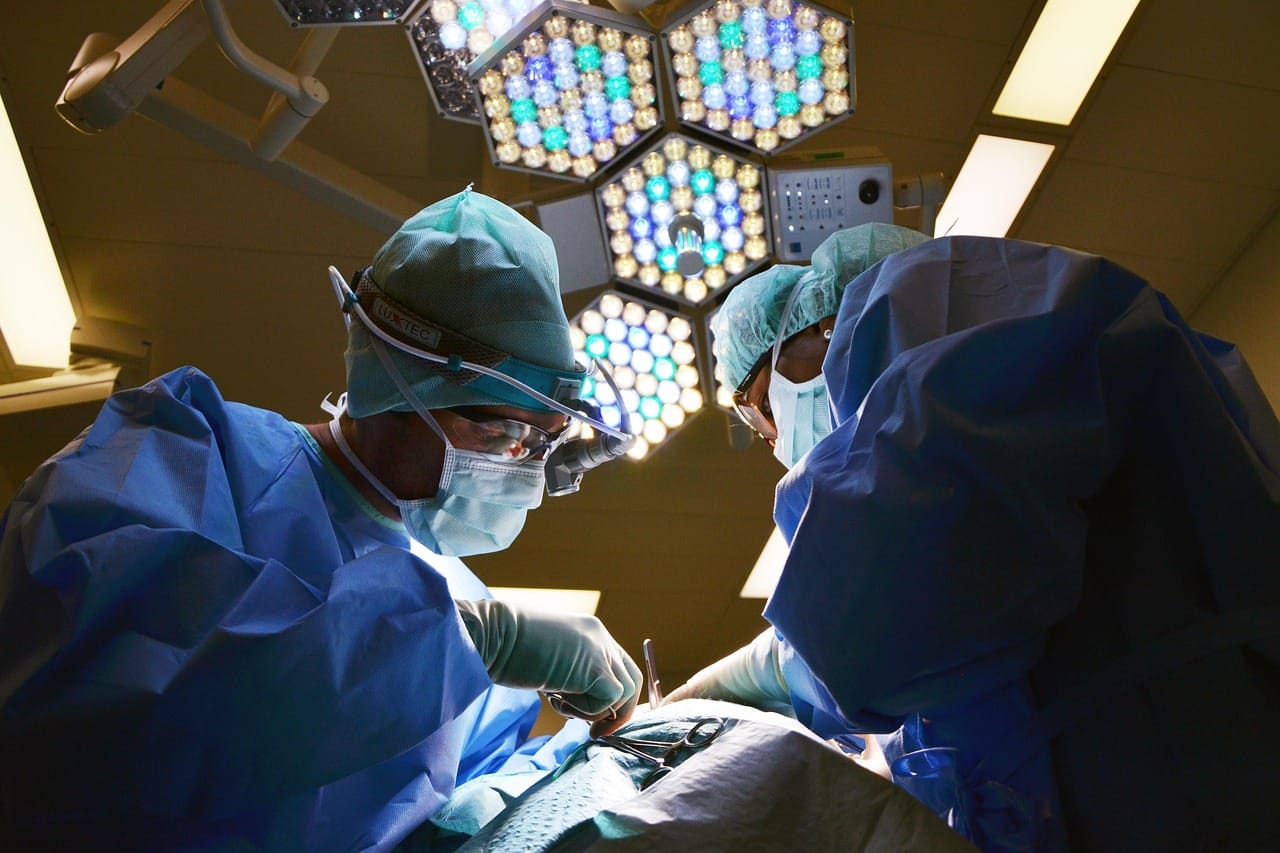
The Future of Aesthetics: AI and Personalized Treatments
I. Redefining Beauty: The Rise of Personalized Aesthetics
The pursuit of beauty is as old as civilization itself. However, the methods and ideals surrounding aesthetics are constantly evolving, influenced by cultural shifts, technological advancements, and a growing desire for personalized experiences. The future of aesthetics is leaning heavily into personalization, driven by the transformative power of artificial intelligence (AI) and the demand for treatments tailored to individual needs and preferences. This isn’t merely about superficial enhancements; it’s about fostering confidence and well-being through scientifically-backed, precisely-targeted interventions.
II. AI’s Role in Aesthetic Assessment and Diagnosis
One of the most significant contributions of AI to aesthetics lies in its ability to analyze facial features and skin characteristics with unprecedented accuracy. AI-powered diagnostic tools can assess a patient’s unique facial anatomy, identify subtle asymmetries, and detect early signs of aging, sun damage, or underlying skin conditions. These tools go far beyond visual assessment, employing advanced algorithms to quantify skin texture, pore size, pigmentation irregularities, and even collagen density.
This detailed analysis allows aesthetic practitioners to move beyond generic recommendations and develop highly personalized treatment plans. For instance, AI can help determine the optimal dosage and placement of botulinum toxin injections, minimizing the risk of unwanted side effects and maximizing the desired aesthetic outcome. Similarly, in laser treatments, AI can analyze skin sensitivity and pigmentation levels to adjust laser parameters for safe and effective results, reducing the risk of hyperpigmentation or scarring.
III. AI-Driven Treatment Planning: Precision and Predictability
AI’s capabilities extend beyond diagnostics into the realm of treatment planning. Sophisticated algorithms can simulate the potential outcomes of various aesthetic procedures, allowing patients to visualize the expected results before committing to treatment. This level of transparency empowers patients to make informed decisions and fosters a sense of control over their aesthetic journey.
Imagine an AI system that can predict the impact of a rhinoplasty procedure on a patient’s overall facial harmony. By generating 3D models and simulating different surgical approaches, the surgeon and patient can collaborate to achieve the desired aesthetic outcome with greater precision and predictability. This minimizes the risk of dissatisfaction and ensures that the final result aligns with the patient’s expectations.
Similarly, in skincare, AI can analyze a patient’s skin microbiome and genetic predispositions to recommend personalized skincare routines. These routines might include customized formulations of active ingredients, tailored to address specific skin concerns and prevent future problems. The days of relying on generic skincare products may soon be replaced by a new era of precision skincare, guided by AI-powered insights.
IV. Robot-Assisted Aesthetics: Enhancing Accuracy and Efficiency
Robotics is another area where AI is poised to revolutionize the aesthetic industry. While still in its early stages, robot-assisted aesthetic procedures promise to enhance accuracy, minimize invasiveness, and improve patient outcomes. Imagine robotic arms capable of performing delicate surgical procedures with micrometer precision, reducing the risk of human error and accelerating healing times.
For example, in hair transplantation, robotic systems can precisely extract and implant hair follicles with greater accuracy and efficiency than manual methods. This can lead to higher graft survival rates and more natural-looking results. Similarly, in minimally invasive procedures like liposuction, robots can assist surgeons in targeting and removing fat deposits with greater precision, minimizing damage to surrounding tissues.
V. Virtual and Augmented Reality in Aesthetic Consultations
Virtual reality (VR) and augmented reality (AR) technologies are transforming the aesthetic consultation experience. VR can transport patients to a virtual operating room, allowing them to experience the sights and sounds of a procedure in a safe and controlled environment. This can help alleviate anxiety and provide a more realistic understanding of the treatment process.
AR, on the other hand, can overlay digital information onto a patient’s real-world appearance, allowing them to visualize the potential effects of aesthetic treatments in real-time. For example, a patient considering dermal fillers can use an AR app to see how their facial contours would change with different filler placements and volumes. This allows for a more interactive and personalized consultation experience, empowering patients to actively participate in the decision-making process.
VI. Ethical Considerations and the Future of Human-AI Collaboration
While AI offers tremendous potential for enhancing aesthetic treatments, it’s crucial to address the ethical considerations that arise with its increasing use. Concerns about data privacy, algorithmic bias, and the potential for over-reliance on AI technology must be carefully considered.
It’s essential to ensure that AI algorithms are trained on diverse datasets that accurately reflect the population, avoiding biases that could lead to discriminatory or inequitable treatment recommendations. Furthermore, it’s crucial to maintain transparency about how AI systems are used in aesthetic practice, allowing patients to understand the rationale behind treatment recommendations and make informed decisions.
The future of aesthetics is not about replacing human practitioners with AI, but rather about fostering a collaborative relationship between humans and machines. AI can serve as a powerful tool to augment the skills and expertise of aesthetic professionals, enabling them to deliver more personalized, precise, and effective treatments.
VII. The Personalized Skincare Revolution: AI-Powered Formulations
Personalized skincare is already becoming a reality, and AI is at the forefront of this revolution. Companies are leveraging AI algorithms to analyze individual skin characteristics, lifestyle factors, and environmental exposures to create customized skincare formulations tailored to specific needs.
These AI-powered systems can analyze data from various sources, including skin scans, questionnaires, and environmental sensors, to identify the optimal combination of active ingredients for each individual. This approach goes beyond generic skincare recommendations, offering truly personalized solutions that address the root causes of skin concerns.
For example, an AI system might identify that a patient has dry skin, a tendency towards acne breakouts, and exposure to high levels of pollution. Based on this analysis, the system could recommend a customized formulation containing hydrating ingredients, anti-inflammatory agents, and antioxidants to protect the skin from environmental damage.
VIII. The Impact on Medical Tourism and Global Accessibility
The rise of AI-powered aesthetics has the potential to impact medical tourism and global accessibility of aesthetic treatments. Remote consultations powered by AI can allow patients to connect with specialists from around the world, regardless of their geographical location.
AI-driven diagnostic tools can also enable remote assessment of skin conditions, allowing patients to receive personalized skincare recommendations and treatment plans without the need for in-person visits. This can significantly improve access to aesthetic care for individuals living in remote areas or those who have limited mobility.
Furthermore, AI can help standardize aesthetic practices across different regions and countries, ensuring that patients receive consistent and high-quality care regardless of where they seek treatment.
IX. Educating Patients and Practitioners: Embracing the Future of Aesthetics
To fully realize the potential of AI in aesthetics, it’s crucial to educate both patients and practitioners about the technology and its capabilities. Patients need to understand the benefits and limitations of AI-powered tools, as well as the ethical considerations surrounding their use.
Practitioners need to be trained on how to effectively integrate AI into their practice, including how to interpret AI-generated insights, communicate with patients about AI-driven recommendations, and ensure that AI is used ethically and responsibly.
Continuous education and training are essential to ensure that patients and practitioners are equipped to navigate the rapidly evolving landscape of AI-powered aesthetics and make informed decisions about their care.